Pibcremental Prestige Buffs — What to Take First
Spend prestige points on permanent power that shortens every future tree run.
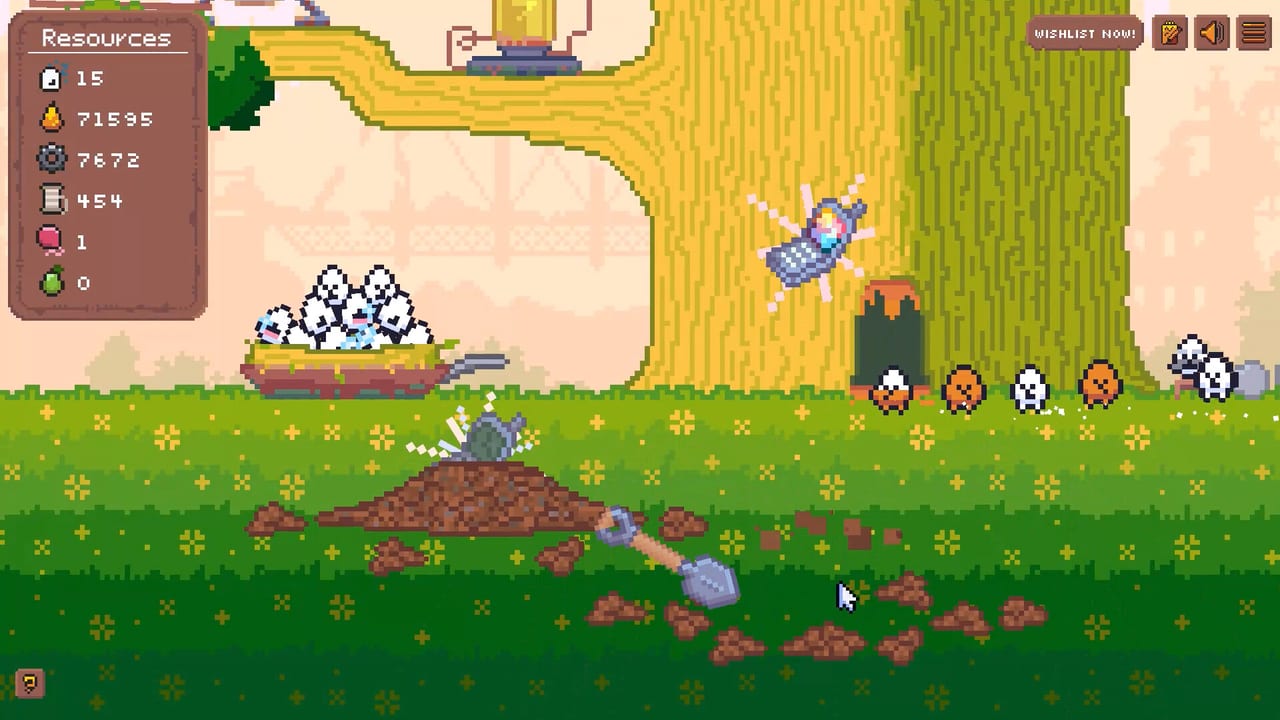
Prestige is where Pibcremental stops being a single cozy session and becomes a strategy game across runs. You bank prestige points from progress, reset the temporary climb, and buy permanent buffs that stick. This tier list answers the question players ask after the first “should I reset?” moment: which permanent buffs should I take first?
For the full reset checklist and timing, use the Prestige Guide. For whether you should grow, hatch, or prestige right now, open the Production Planner. Building staffing still matters after every reset—keep the Buildings Tier List handy.
How to read this list
Ranks assume a standard progression path after the demo-era prestige systems carried into the September 14, 2026 Steam launch. Paths such as Nature-focused multipliers and Adventure unlocks can branch; when two nodes compete, prefer the one that speeds early sap/scrap or tree growth cost unless a patch note says otherwise.
- S — First purchases almost every early prestige.
- A — Buy soon after S; huge quality-of-life or speed.
- B — Strong once basics are owned; situational path fillers.
- C — Luxury or niche; take when points are plentiful.
- D — Delay; fun, but weak repay compared to core speed.
S-tier prestige buffs (take these early)
Tree upgrade cost reduction
Anything that cuts tree growth costs (for example a sizable percent off tree upgrades) is usually S. Growing the tree is how new buildings and resources appear. Cheaper growth means more unlocks per run and faster return to the content you already know how to optimize. If you can only afford one permanent power spike, cost reduction that touches the tree often beats a flat production crumb.
Starting tree level / head-start unlocks
Buffs that let you always start at a higher tree level (or skip the dead early minutes) are S once available. Prestige should remove repetition. Starting closer to Scrapyard and multi-resource play keeps runs spicy and makes every other buff apply to a stronger baseline.
Broad early production multipliers (Nature-style paths)
Large multipliers to sap—and later sap/silk packages—repay themselves on every hatch and every growth bill. Early Nature-path style nodes that stack raw production belong in S for the first several prestiges. Specialized late converters can wait.
A-tier prestige buffs
Multiplier-bar strength and longer fill
If a prestige node strengthens multiplier bars and slows their decay, take it soon after core cost/production picks. Active players live on those bars; idle players still benefit whenever they check in and top them off. This buff turns every building click into a longer advantage.
Hover / auto-click quality-of-life
Nodes that add automatic clicks while hovering, raise hold-click rates, or make clicking the tree pulse every building are A-tier for active sessions. They feel like cheating in the best way and pair beautifully with Battery and Scrapyard focus from the buildings list.
Extra prestige point capacity before reset
Being able to bank additional points before you prestige smooths awkward breakpoints. Rank this A when you often sit one point short of a key node; otherwise keep it behind raw speed buffs.
Event and wishing-star improvements
Better standard event rewards, lucky hatch triggers, or wishing-star frequency climb to A once your early loop is stable. Events feed relics; relics rewrite building tiers mid-run. See Events & Relics.
B-tier prestige buffs
Starting scrap or small loans / paycheck helpers
Starting with bonus scrap or minor income injections helps, especially right after Scrapyard becomes relevant, but they are usually weaker than cheaper trees or permanent production percent. Buy them when S/A nodes on your path are owned.
Battery–Scrapyard permanent links and local synergies
Connection buffs between specific buildings are excellent if you already staff those buildings correctly. They are B globally because mis-assigned Pibs waste the link; they become A in optimized mid-game routes.
Hatch extras and costume/relic niche nodes
Chance to spawn extra Pibs on hatch, free costume crafts, or relic keep limits are exciting and scale well later. Early on, a second worker chance is nice, but not as reliable as guaranteed cost cuts. Park most of these in B until your prestige tree opens Adventure or society-style branches.
C and D-tier (delay without guilt)
Tiny prestige XP crumbs on scrap collect
Micro gains that slowly drip prestige XP are fine filler when you are waiting anyway, but they rarely beat a clean production or cost node. Treat as C.
Ultra-situational market/trade XP or vanity society unlocks
If a node mainly unlocks cosmetic society toys or niche trading XP without speeding growth, it is D for efficiency-focused players. Take it for fun after your speed spine is built.
Deep path requirements you cannot use yet
Do not sink points into a prestige branch whose payoff needs tree levels, events, or relics you have never seen. Finish S/A on open paths first; return after a couple of faster runs.
Suggested first-prestige purchase order
- Cheapest node that reduces tree costs or grants a real starting head start.
- Strongest available sap / general production multiplier on your open path.
- Multiplier-bar or click/hover quality-of-life if you play actively.
- Event/relic helpers once you are hitting events every run.
- Starting scrap, links, and hatch-luck fillers.
- Luxury society and micro-XP nodes.
If two S nodes are available and points are tight, prefer the one that removes the most boring early minutes. Prestige is a boredom tax refund.
Path tips: Nature vs Adventure-style unlocks
Nature-leaning multipliers shine when your bottleneck is raw sap and silk crafting. Adventure-style unlocks that open new events, wishing stars, or special upgrades become higher priority once you can actually trigger those systems every run. Do not unlock a system you cannot feed; do unlock it the prestige before you plan to live in that content.
After you prestige
- Relearn the early Getting Started pacing with your new buffs—old hatch timings will feel slow or too cautious.
- Restaff using the Buildings Tier List; permanent production changes which building is the bottleneck.
- Push to the first growth faster than last run; if you are not clearly quicker, you may have bought a C-tier vanity too early.
- Track patch notes on the Updates Hub—buff values can shift after launch hotfixes.
Myths to ignore
- “Never prestige until max buildings.” Waiting forever for a perfect run often costs more calendar time than two shorter runs with S-tier permanents.
- “Always take every hatch-luck node first.” Extra Pibs help, but cheap trees and production percents create the sap that buys hatches anyway.
- “Click buffs are only for no-lifers.” Even casual players hover buildings while reading upgrades; auto-click-on-hover pays rent.
Spend prestige like an investor: buy time. The best buff is the one that makes your next Scrapyard unlock arrive before you get bored.
Frequently Asked Questions
Quick answers about Pibcremental progression, prestige, and resources.
When should I take my first prestige?
When upgrade prices spike, new permanent nodes are affordable, and another hour will not unlock a major temporary spike. The Prestige Guide covers timing; this page covers what to buy after you commit.
Are tree cost reductions always best?
They are usually S-tier because growth unlocks content. If a starting tree level buff skips more dead time for the same points, take that instead.
Should active and idle players pick different buffs?
Both want production and cheaper trees. Active players prioritize multiplier bars and hover/auto-click next; idle players lean harder into passive multipliers and event rewards.
Do I respec prestige buffs?
Follow whatever the live build allows. If respec is limited, favor broadly useful S/A nodes over narrow building links until you know your favorite route.
Where do I verify balance changes?
Check Launch Notes and the Updates Hub after patches, and watch Arcane Cabinet channels linked from the Community page.